
Der Grundstein für unseren Erfolg
Flanged Hollow Guide Rails are integral components in many precision-driven systems, from elevators to automated machinery. These rails play a pivotal role in maintaining the stability and performance of guiding mechanisms. In this article, I’ll break down the core elements of Flanged Hollow Guide Rails, their benefits, applications, and essential maintenance tips. Whether you’re new to the industry or simply looking to deepen your understanding, this guide will provide valuable insights from a seasoned expert’s perspective.
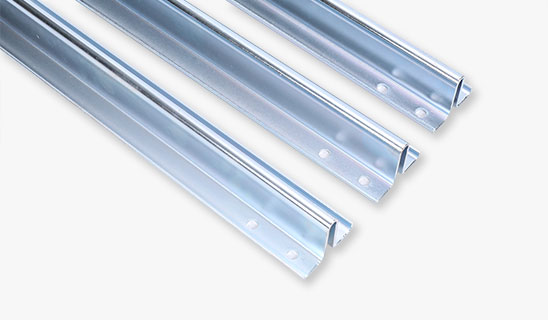
Flanged Hollow Guide Rails are specially designed to provide reliable support in systems requiring high precision and durability. At their core, these guide rails consist of a hollowed-out, flanged structure that helps to reduce friction and wear.
The design includes a vertical flange that enhances the rail’s alignment with other components, ensuring smooth operation. The hollow core of the rail helps reduce weight without sacrificing strength, making it ideal for applications that demand both efficiency and durability.
These rails are typically made of steel or aluminum, materials chosen for their excellent strength-to-weight ratio and resistance to wear. The flanges on either side of the rail allow for easier installation and ensure the rail remains securely in place during operation. The unique combination of structural elements makes Flanged Hollow Guide Rails an ideal choice for demanding applications.
The materials used in Flanged Hollow Guide Rails are crucial for their performance. Most commonly, these rails are made from high-strength steel, though some applications may require aluminum or stainless steel to offer additional benefits such as corrosion resistance.
The manufacturing process involves precise cold-drawing techniques, where raw material is drawn through dies to achieve the desired dimensions and surface finish. The use of high-precision machines ensures that the rails are manufactured with a high degree of accuracy, making them suitable for even the most demanding applications.
Advanced welding or forging techniques are often employed to create the flanged edges, providing the necessary reinforcement for strength and durability. The hollow section is usually machined or extruded, with the end result being a rail that is lightweight yet exceptionally strong. This careful selection of materials and precision manufacturing methods ensures that Flanged Hollow Guide Rails deliver excellent performance and longevity.
Flanged Hollow Guide Rails offer a variety of benefits that make them indispensable in modern engineering. Some of the key advantages include:
These benefits make Flanged Hollow Guide Rails the preferred choice in a wide range of applications, from industrial machines to elevator systems.
Flanged Hollow Guide Rails are widely used across various industries, particularly in systems that require high precision, durability, and stability. Some of the most common applications include:
Their versatility and performance in high-demand environments make Flanged Hollow Guide Rails a key component in modern automated systems.
To maximize the lifespan and efficiency of Flanged Hollow Guide Rails, regular maintenance is essential. Here are some practical maintenance tips:
By following these simple steps, you can significantly extend the life of your Flanged Hollow Guide Rails and ensure consistent performance.